 English

An eSIM for Japan is a digital data plan for the phone you already own. There is no physical SIM card, no airport lines, and no passport needed. Your plan is ready on your SIMAREA account before you even leave home.
It works safely alongside your normal SIM. You keep your own number for calls and important text messages. Your data goes through the SIMAREA plan. Just turn off data roaming on your home SIM to avoid high bills.
Coverage comes from KDDI/au, NTT docomo, Rakuten Mobile and SoftBank, depending on the plan. Your phone connects when you arrive and, on a plan with more than one network, moves to the stronger signal.
If you stay longer, some plans can be topped up with more data; a fixed one needs a new plan.
What it is not: a local phone number. If you need a number for verification codes, see virtual numbers.
Japan eSIM: data plans and a day pass for your trip
5GMost fixed plans for Japan exit in Japan on NTT docomo, so sites see a Japanese IP; the day pass and the two smallest plans use all four Japanese networks. Install the eSIM by QR code at home and turn it on after you land.
The unlimited plan is the day pass we feature for Japan: after its daily full-speed allowance it keeps you connected at a lower speed, and it is billed per day for the days you choose. Fixed plans are one price for the term shown. Nothing on this page is an estimate.
How to get mobile data in Japan
Install it at home before you go. Some plans here start counting at installation, so check the line under the price for the plan you pick.
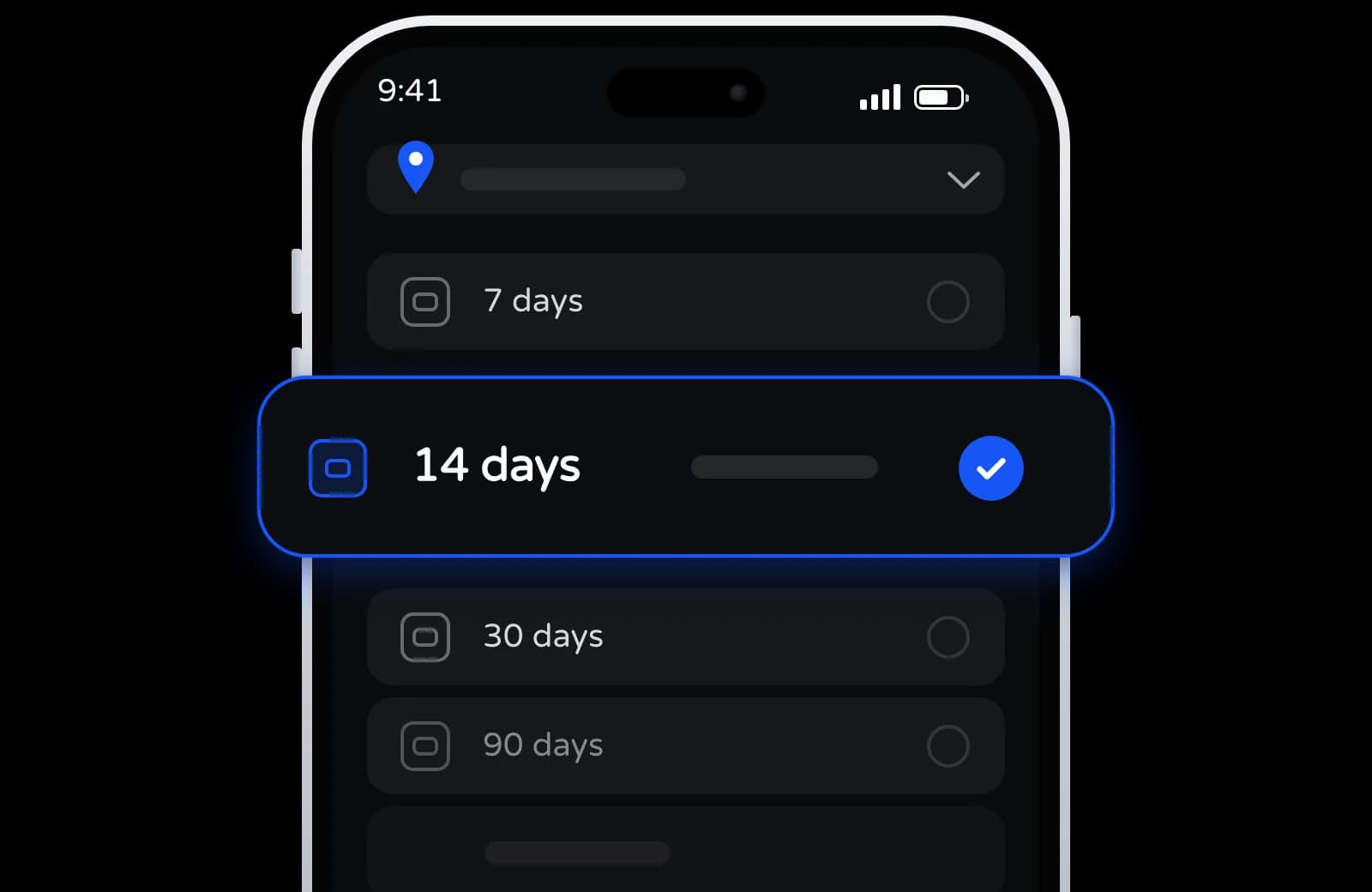
Pick eSIM plan
Choose how long you are there. The day pass is billed per day, so the term is yours to set.
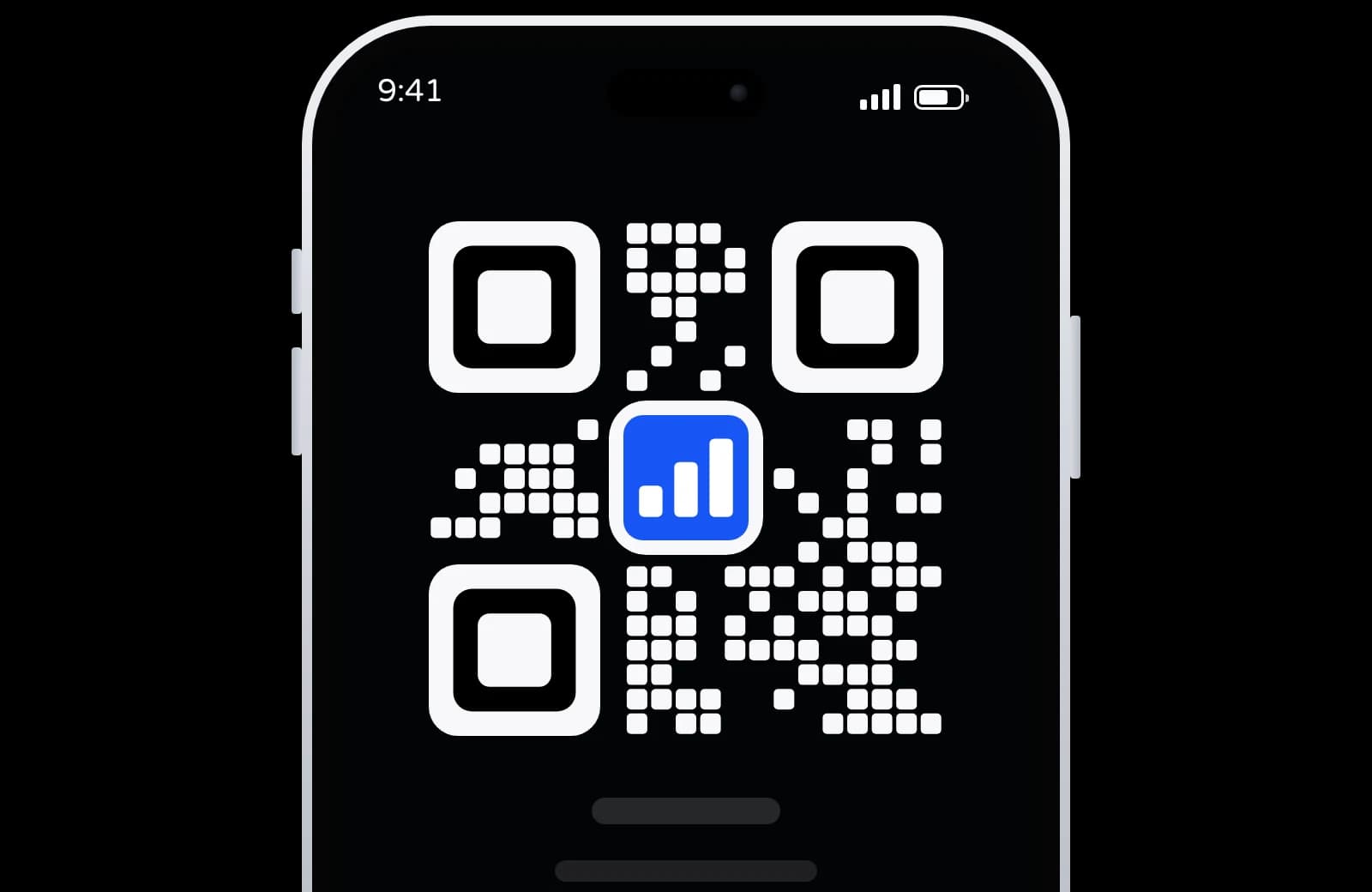
Pay, then scan
Charged from your balance, which you top up with crypto. Your QR code is in your dashboard once the order is paid.
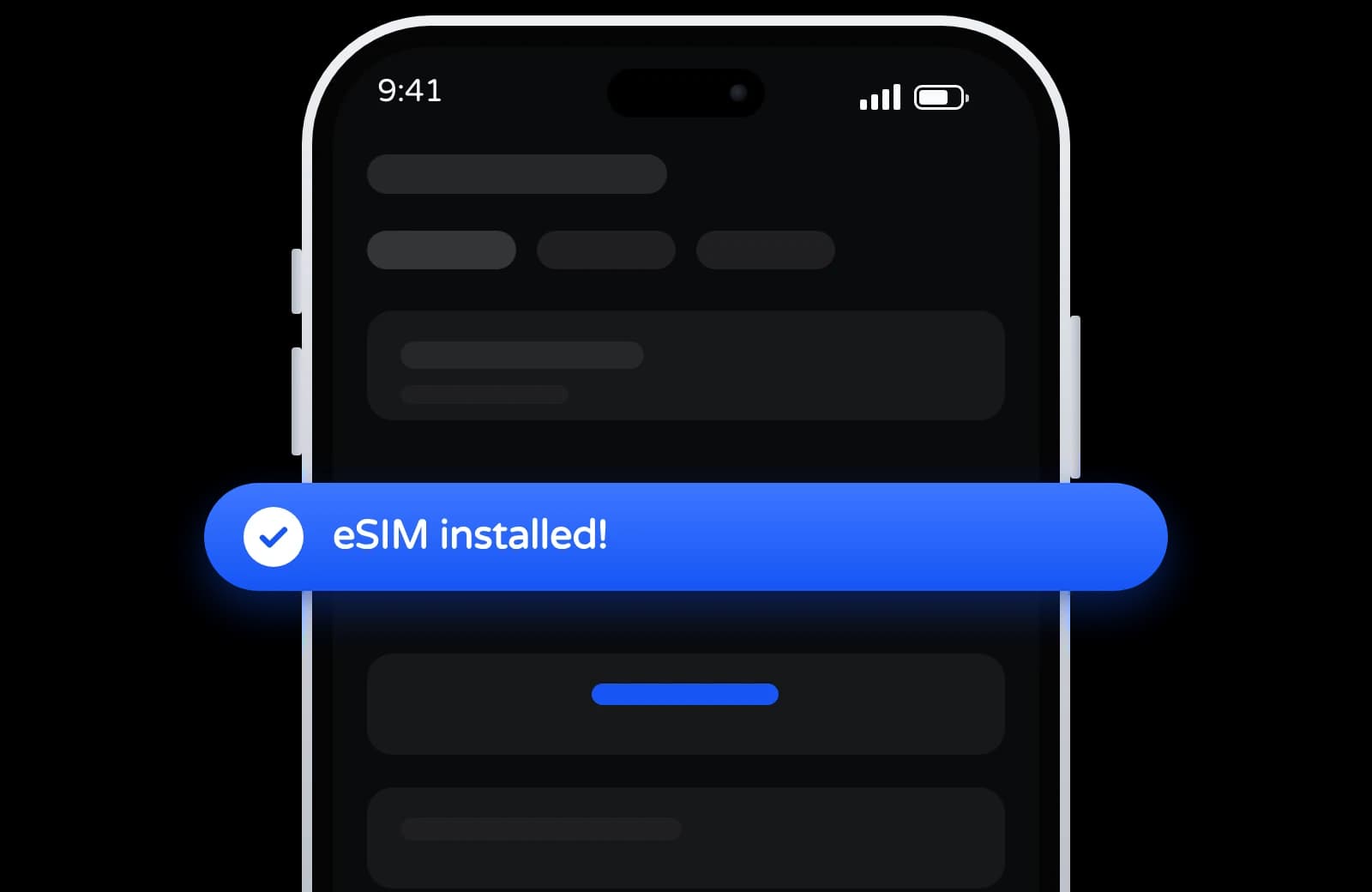
Turn it on when you arrive
Turn on data roaming for your SIMAREA plan when you arrive, and it joins a partner network.
What to know about an eSIM for Japan
The specifics that decide whether a travel eSIM is useful once you're actually there.
More than one network on some plans
Plans here use KDDI/au, NTT docomo, Rakuten Mobile and SoftBank. Some plans have more than one, and your phone switches to the stronger signal; the technical specs show the networks of the plan you select.
Set up before you go
No SIM card store, no passport check. Install it at home, then turn on data roaming for it when you arrive.
Hotspot sharing
Share your internet with a laptop or a friend, if your plan and phone allow it.
Keep your own number
The eSIM is just for internet. Your normal SIM still receives calls and important bank codes. You can use both at once.
Staying longer?
Some plans here can be topped up with more data on the same eSIM; others are fixed.
If it does not work
Not installed or connected yet? Ask for a refund within 30 days of buying it. Installed but not working on any of its networks? Support helps, and refunds you if it cannot be fixed.
Japan eSIM plans: the exit country decides the networks
Every plan on this page connects to Japanese networks, but it sends your traffic to the internet from one of two places. That exit decides both the IP address websites see and how many operators your phone can join:
- Exit in Japan, on NTT docomo: every fixed plan from 1 GB up, which means the 7-day 1 GB plan, both 15-day plans, all five 30-day plans and the 180-day plan. Sites see a Japanese IP.
- Exit in Hong Kong, on all four operators: NTT docomo, au (KDDI), SoftBank and Rakuten Mobile. This group is the day pass and the two smallest fixed plans, 100 MB and 500 MB for a week. Sites see a Hong Kong IP.
So the trade is plain: a Japanese IP comes with one network, and four networks come with a Hong Kong IP. All four operators are typed 5G in the catalog, and every plan here includes 5G in its speed except the 500 MB 7-day plan, which stays on 4G/LTE and 3G.
After you select a plan, Technical specs shows its networks and IP address. If you're unsure which plan fits a particular need, support answers 24/7 before you pay.
How to choose an eSIM for Japan
No Japan plan wins on every point, and we don't rank them. Four questions narrow it down:
- Do you need a Japanese IP? It only matters when a site or app looks at the country you connect from. If a Japanese service you rely on expects a Japanese connection, any fixed plan from 1 GB up exits in Japan.
- One network or four? The Japanese-IP plans use NTT docomo alone. If you'd rather the phone could also fall back on au, SoftBank or Rakuten Mobile, take the day pass or one of the two smallest 7-day plans, which exit in Hong Kong.
- A fixed amount or a daily allowance? Fixed plans run from 100 MB to 50 GB and suit use you can predict. The day pass gives a fresh gigabyte at full speed every day, which suits days of maps, train apps and camera translation that you'd rather not count.
- How long? Fixed plans for Japan run for 7, 15, 30 or 180 days; the day pass runs for the days you pick.
Whichever you pick, you can add data later: every Japan plan sold here tops up on the same eSIM.
Unlimited data in Japan: what the day pass gives you
What searches call an "unlimited" Japan eSIM is, at SIMAREA, the day pass: 1 GB a day at full speed, then 1 Mbps until the day resets, and full speed again the next day. You set the number of days at checkout, and if the trip gets longer you can top it up on the same eSIM.
The pass exits in Hong Kong and can use all four Japanese operators, with 5G where the network has it. Its days start at the first connection in Japan, so you can install it at home before the flight.
When maps, timetables and translation run past the first gigabyte by mid-afternoon, the connection drops to 1 Mbps instead of stopping. If you need more than that at full speed most days, the 30-day plans of 20 GB or 50 GB carry a bigger pool, with a Japanese IP.
Fixed Japan plans: from a short stop to six months
Up to a week
Three 7-day plans: 100 MB and 500 MB, which exit in Hong Kong on all four operators, and 1 GB, which exits in Japan on NTT docomo. The 100 MB plan is the only one on this page whose days start at installation; on every other plan they start at the first connection in Japan.
Two weeks to a month
For 15 days there are 2 GB and 3 GB, and the plans for 30 days come in five sizes from 3 GB to 50 GB. Every one of them exits in Japan on NTT docomo, so if you want a Japanese IP for the whole trip, this is where to look.
Six months
One plan runs for 180 days: 50 GB, exiting in Japan on NTT docomo, suited to a semester or a long work stay. If the data runs out before the six months do, top it up on the same eSIM.
eSIM vs pocket Wi-Fi in Japan
A pocket Wi-Fi router and an eSIM both get you online in Japan. This is what choosing the eSIM means in practice:
- Nothing to carry or return. The eSIM sits on your phone, so there's no device to collect, carry around or send back before your flight home.
- Your phone must be ready. It has to support eSIM and be unlocked from your home carrier. Check before buying: an installed eSIM can't be refunded, even if the phone turns out not to support it.
- Data only. You get mobile data in Japan, not a Japanese number. Your own SIM stays in the phone for calls and texts from home.
- Sharing depends on the plan. A router exists to share one connection between devices. With an eSIM your phone can do that as a hotspot, if the plan and the phone allow it.
We don't compare router prices or speeds here: they depend on the rental company.
Japan with South Korea, China or more of Asia
A Japan plan works in Japan only. For a trip that goes on from there, two wider plans include Japan:
- Asia: every plan on that page includes Japan except the 7-country Southeast Asia plans. The day pass and the 19-country fixed plans add South Korea, mainland China, Hong Kong, Taiwan, India and much of Southeast Asia; in Japan they use NTT docomo, au (KDDI) and Rakuten Mobile, and traffic exits in the UK or Norway. The 12- and 20-country plans use au (KDDI) only in Japan and exit in Hong Kong; the 20-country ones also reach Australia and New Zealand.
- Global 130: every plan on that page includes Japan, on NTT docomo, au and Rakuten Mobile, together with Europe and the Americas. Traffic exits in the UK or Norway.
A wider plan trades the Japan-only choices above, a Japanese IP or all four operators, for one eSIM across borders. If Japan is most of the trip, a Japan plan keeps those choices; for the other countries, see the country list.
Japan eSIM: questions before you go
Which eSIM should I get for Japan?
Start from three answers. If a service you use needs a Japanese IP, take any fixed plan from 1 GB up: they all exit in Japan, on NTT docomo. If you want all four Japanese operators available, look at the day pass or the 100 MB and 500 MB 7-day plans, which exit in Hong Kong. If your data use is heavy or hard to predict, the day pass is easier to live with than a fixed amount, since it slows down after each day's allowance rather than running out.
What are the downsides of an eSIM in Japan?
A few, and it's better to know them before you pay. Your phone must support eSIM and be unlocked. The eSIM is data only, with no Japanese number for calls or SMS. Once installed, it can't be refunded, even on a phone that turns out to be incompatible. And no plan gives you a Japanese IP and all four networks at once: the plans that exit in Japan use NTT docomo alone, while the four-network plans exit in Hong Kong.
Does a Japan eSIM come with a Japanese phone number?
No. The Japan eSIM is data only: no +81 number, no calls and no SMS, while your own SIM keeps receiving texts from home. For a number you keep for weeks or months, virtual numbers are rented by the term in the countries listed there.
How much data do I need for two weeks in Japan?
For about two weeks there are 15-day plans with 2 GB or 3 GB, both exiting in Japan on NTT docomo. If you'll use more, the 30-day plans go up to 50 GB, or the day pass gives you a full-speed gigabyte each day for as many days as you choose. The data calculator estimates your own use from the apps you plan to use.
Can I buy a Japan eSIM weeks before the trip?
Yes. Buying early costs no days: apart from the 100 MB 7-day plan, Japan plans start counting at the first connection in Japan. The Technical specs tab shows how long an unused plan stays valid. If your dates could still change, wait before installing, because only an eSIM that hasn't been installed or connected can be refunded, on request, within 30 days of purchase.
Why do some websites think I'm in Hong Kong?
Because your plan exits there. The day pass and the 100 MB and 500 MB 7-day plans connect to Japanese networks, but their traffic reaches the internet in Hong Kong, so sites see a Hong Kong IP. If a service needs a Japanese IP, any fixed plan from 1 GB up exits in Japan. Check the selected plan's IP address under Technical specs before you buy, or ask support (24/7).
What if the eSIM doesn't connect when I land in Japan?
Check two settings first: mobile data should be set to the SIMAREA eSIM, and data roaming must be on for it. If there's still no signal, turn off automatic network selection and pick one of the plan's operators by hand; a Japanese-IP plan, for example, joins only NTT docomo. Still nothing? Contact support while the plan is valid. They'll fix it, and if the eSIM can't connect on any of its networks, support refunds it.
Invite Friends. Earn 7% on Every Deposit.
Every time a friend tops up, you get 7% of it. For life, not just once.

The SIMAREA app is on its way
Check your data, top up and manage every eSIM from your phone.
Pick your Japan plan, install it at home
Choose the day pass or a fixed plan above. Need a Japanese IP or one particular network? Ask support before you pay; it answers 24/7.